How to Handle Mold in Crawl Space Problems Before They Spread
Why Crawl Spaces Become Mold Hotspots
After years of inspecting homes in the Detroit area, I can tell you that crawl spaces are often the most neglected part of a house. They are dark, hard to reach, and easy to forget. But that neglect comes with a price. Moisture finds its way in, and once it does, mold in crawl space conditions can develop faster than you might expect. The problem is not just the musty smell. It is the way mold spores travel upward through floor joists, into living rooms and bedrooms, affecting the indoor air quality of the whole home.
Most homeowners do not realize how much air moves between a crawl space and the rest of the house. Even a small gap around a pipe or a poorly sealed subfloor can pull air from below. When that air carries mold spores, you are essentially breathing in what is growing beneath your feet. That is why mold remediation in Detroit often starts with a serious look at what is happening in the crawl space.
What Causes Mold in a Crawl Space?
The short answer is moisture. But the sources of that moisture vary. In older Detroit homes, crawl spaces were often built with dirt floors and minimal ventilation. That combination is a recipe for trouble. Rainwater can seep through foundation walls, especially when the ground outside slopes toward the house. Hydrostatic pressure builds up against the foundation, forcing water through tiny cracks. Over time, that moisture collects in the crawl space, creating the perfect environment for black mold, mildew, and fungus to take hold.
Another common culprit is plumbing leaks. A slow drip from a pipe under the kitchen or bathroom can keep the crawl space damp for weeks without anyone noticing. Add in humidity from the summer months, and you have a situation where mold spores can germinate and spread within days. I have seen crawl spaces where fiberglass insulation was soaked through, holding moisture like a sponge. That insulation then becomes a breeding ground for mold, and removing it is often the only solution.
Signs You Have a Crawl Space Mold Problem
You do not always see the mold before you smell it. A musty odor in rooms above the crawl space is often the first clue. Other signs include allergy symptoms that get worse when you are at home, such as sneezing, itchy eyes, or a scratchy throat. Mold spores are common allergens, and prolonged exposure can aggravate asthma or respiratory issues.
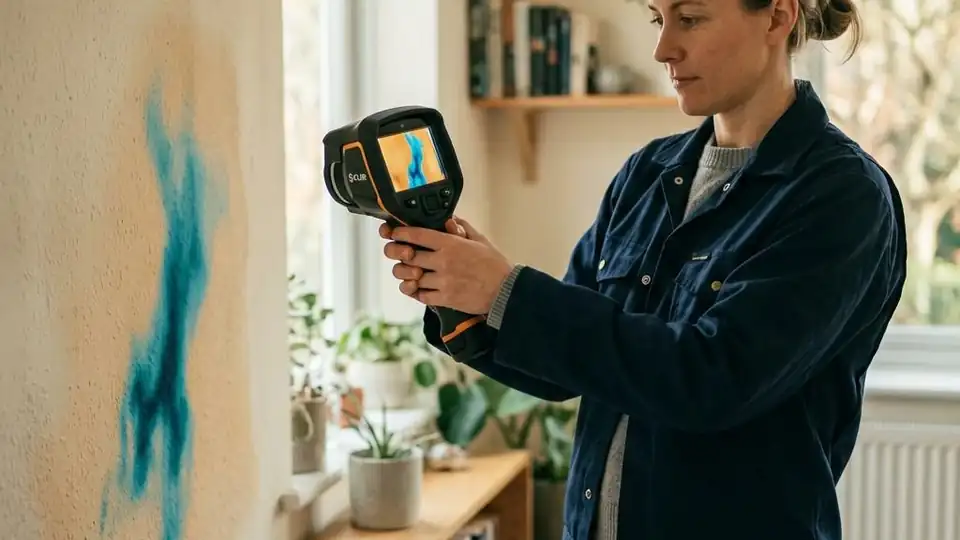
If you go down into the crawl space yourself, look for visible growth on wood joists, the subfloor, or the insulation. Black mold appears as dark splotches, while mildew may look like a white or gray powder. Fungus can grow on the soil itself in a dirt-floored crawl space. A musty smell that is stronger near the access hatch is a clear indicator that mold is present and active.
Moisture Control Is the First Step
Before any remediation can work, you have to stop the water from getting in. That means addressing drainage around the foundation. Gutters should direct water away from the house. Downspouts need extensions that carry water at least five feet from the foundation. The ground should slope away from the house so that rainwater does not pool against the walls.
For homes with persistent dampness, basement waterproofing methods can help. Applying a waterproof sealant to the interior walls of the crawl space can block some moisture, but exterior waterproofing is more effective. If the crawl space has a sump pump, make sure it is working properly. A sump pump that fails during a heavy rain can lead to standing water and a rapid mold outbreak.
Vapor barriers are another critical tool. Laying a heavy-duty polyethylene vapor barrier over a dirt floor prevents ground moisture from evaporating into the crawl space air. The barrier should be sealed at the seams and taped to the walls. That simple step can dramatically reduce humidity levels. I have seen crawl spaces go from damp and musty to dry and odorless after a proper vapor barrier installation.
Crawl Space Ventilation and Dehumidification
Even with a good vapor barrier, crawl spaces need airflow. Crawl space ventilation helps carry moisture-laden air outside before it can condense on cool surfaces. In many Detroit homes, the original foundation vents are too small or have been blocked by landscaping or debris. Opening those vents and adding new ones can make a real difference.
In humid climates, a dehumidifier placed in the crawl space can keep relative humidity below 50 percent, which is the threshold that most mold species need to grow. Choose a model with a built-in pump so you can drain it automatically into a sump pump or outdoors. Running a dehumidifier year-round, especially during the summer, is one of the most effective ways to prevent mold from returning after remediation.
Mold Remediation in a Crawl Space
Once the moisture source is controlled, it is time to remove the existing mold. Mold remediation in a crawl space is not the same as cleaning mold off a bathroom wall. Crawl spaces have limited access, and the materials involved are often porous. Wood, insulation, and dirt cannot simply be wiped clean.

The first step is to identify the extent of the contamination. If mold covers a small area, cleaning with a detergent solution and scrubbing may be enough. But if the mold has penetrated deep into the wood or if the insulation is contaminated, replacement is safer. Trying to clean heavily infested fiberglass insulation usually fails because the mold grows inside the fiber matrix.
For serious infestations, encapsulation is an option. Encapsulation involves applying a specialized coating that seals mold spores inside a film, preventing them from becoming airborne. This works well on concrete or masonry surfaces, but it is not a substitute for removing contaminated organic materials like wood or insulation. A combination of removal and encapsulation often gives the best results.
During remediation, wear protective gear. A respirator with a HEPA filter, gloves, and goggles are essential. Disturbing mold releases a cloud of spores into the air, and you do not want to breathe that in. After the work is done, running a HEPA air purifier in the crawl space can capture any lingering spores and improve indoor air quality throughout the house.
Preventing Mold from Coming Back
Remediation is not a one-time fix. Without ongoing moisture control, mold will return. That is why the EPA recommends addressing the underlying water problem before cleaning mold. For crawl spaces, that means maintaining the vapor barrier, checking the sump pump regularly, and keeping vents clear. It also means inspecting the crawl space at least twice a year. A quick look in the spring and fall can catch small issues before they become big ones.
If you have a crawl space that floods during heavy rains, consider installing a sump pump with a backup battery. Power outages often happen during storms, and that is exactly when you need the pump most. A backup system can mean the difference between a dry crawl space and a flood that leads to extensive mold growth.
Another preventive measure is to avoid storing cardboard boxes or fabric items in the crawl space. Those materials absorb moisture and can become food for mold. If you must store things, use plastic bins with tight lids. Keep them off the floor on shelving or pallets so air can circulate underneath.
When to Call a Professional
Some crawl space mold problems are small enough for a homeowner to handle. But if the affected area is larger than about ten square feet, or if the mold is black mold that has spread deep into structural wood, it is wise to call a professional. Mold remediation companies have the equipment and experience to contain the spores during removal, preventing them from spreading to other parts of the house.
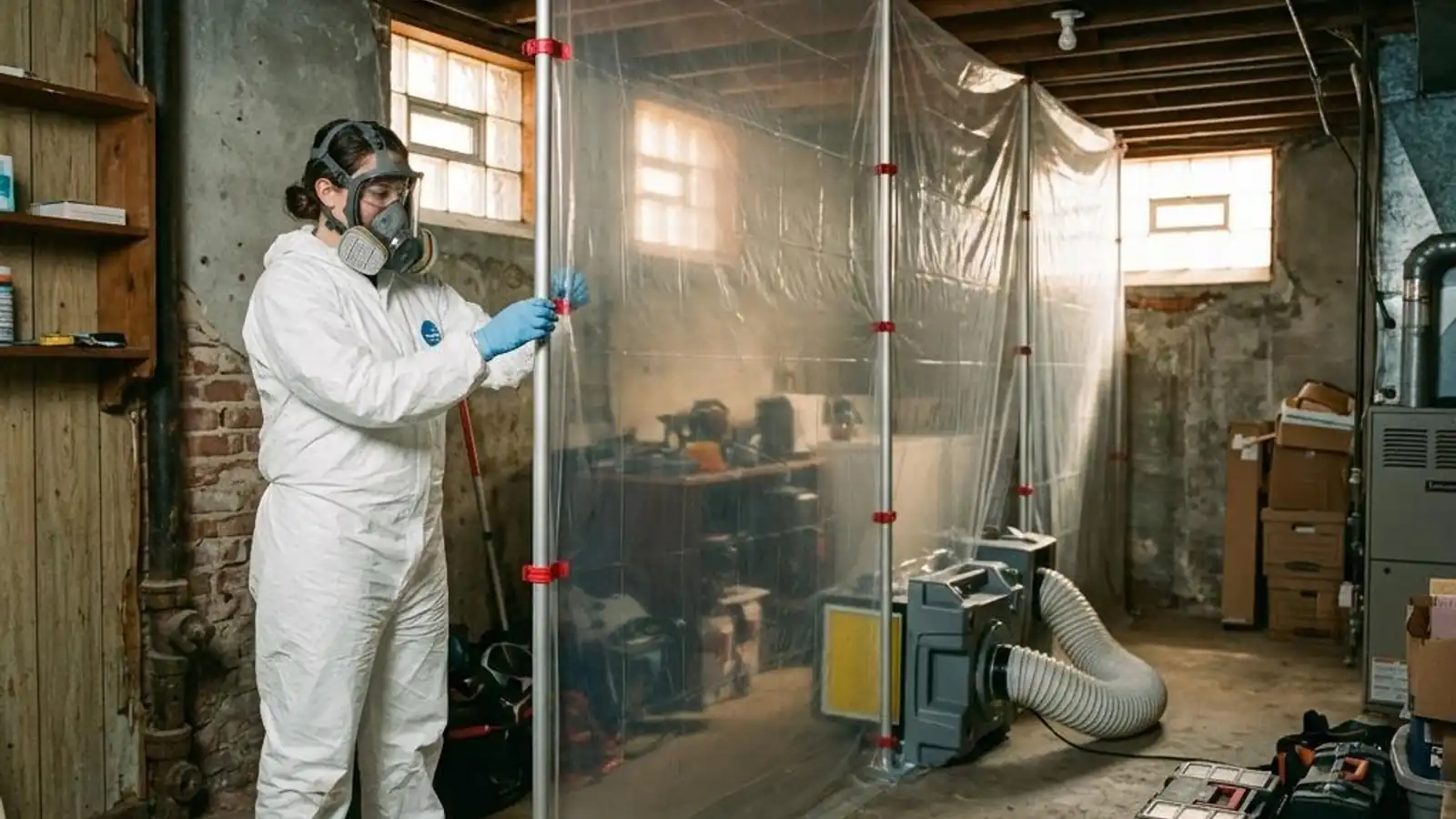
In Detroit, professionals are familiar with the specific challenges of older homes. They know how to deal with dirt floors, fieldstone foundations, and the high water table that affects many neighborhoods. They can also test the air quality before and after remediation to confirm that the mold problem is truly resolved.
Indoor air quality is something you should not gamble with. Mold in crawl space conditions can send spores into your living areas for years if left unchecked. The health effects are real, especially for children, elderly family members, or anyone with a weakened immune system. Investing in proper moisture control and remediation is not just about protecting your home. It is about protecting the people who live in it.
Final Thoughts
Dealing with mold in a crawl space is not glamorous work, but it is some of the most important maintenance a homeowner can do. The crawl space is the foundation of your home, both literally and figuratively. When it stays dry and clean, the rest of the house benefits. Better air quality, fewer allergy symptoms, and peace of mind are all within reach if you take the right steps. Start with moisture control, ventilate properly, and do not hesitate to call in help when the job is too big. Your home and your health will thank you.